
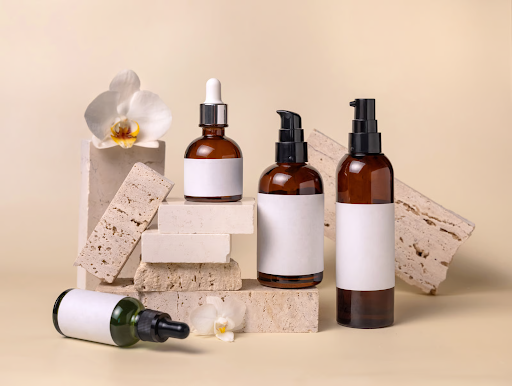
High-quality packaging plays a powerful role in shaping how consumers perceive a product, especially in the highly competitive beauty industry. From the moment a shopper scans a shelf or scrolls through an online store, visual appeal becomes a decisive factor that can instantly attract or repel attention. Packaging is the first interaction between a brand and its audience, setting expectations about quality, effectiveness, and the overall experience before the product is even tried.
Well-designed cosmetic labels communicate trust, professionalism, and brand personality while helping products stand out on crowded shelves. Thoughtful use of typography, colors, and premium materials builds a memorable identity, enhances visual appeal, and boosts customer confidence, making shoppers more likely to choose the product and stay loyal to the brand.
The Power of First Impressions in Beauty Packaging
Beauty buyers are often drawn to products that look premium before they even explore ingredients or benefits. Labels serve as the face of a product, instantly conveying brand values and positioning. Elegant typography, cohesive color palettes, and thoughtful layouts create a sense of professionalism that influences purchasing decisions.
When labels are visually appealing and easy to read, they build trust. Customers feel confident that a brand paying attention to design details is also committed to product quality. This psychological connection is one of the key reasons labels directly impact sales performance.
How Label Design Shapes Brand Identity
A beauty brand’s label is more than decorative packaging. It acts as a storytelling tool that communicates what the brand stands for. Minimalist labels with soft tones often suggest natural or organic formulations, while metallic finishes and bold fonts signal luxury and innovation.
Consistency across product lines strengthens recognition. When customers see similar design elements across different items, they quickly associate them with the same brand. This familiarity builds loyalty and encourages repeat purchases.
Materials That Elevate Perceived Value
The choice of label material significantly influences how a product feels in the hand. Premium materials such as textured paper, film labels, or soft-touch laminates create a tactile experience that enhances perceived value.
Durable materials also ensure labels remain intact despite exposure to moisture, oils, or frequent handling. In beauty packaging, where products are often stored in bathrooms or carried in bags, longevity is essential for maintaining a polished look throughout the product’s lifecycle.
The Role of Colors and Visual Elements
Color psychology plays a major role in consumer attraction. Soft pastels often evoke calmness and purity, making them popular for skincare. Bold, vibrant shades create energy and excitement, which works well for makeup products targeting younger audiences.
Imagery and icons also contribute to visual storytelling. Botanical illustrations can emphasize natural ingredients, while sleek geometric patterns convey modernity. When all these elements align, labels create a cohesive brand experience that resonates emotionally with buyers.
Communicating Information Clearly
While aesthetics matter, functionality is equally important. Labels must present essential details such as ingredients, usage instructions, and safety information clearly. Easy readability enhances user experience and reduces confusion.
Transparent communication also builds credibility. Consumers increasingly prefer brands that provide accurate and accessible product information, reinforcing the idea that thoughtful labeling supports both compliance and customer satisfaction.
Driving Shelf Impact and Differentiation
In retail environments, products often compete for attention within seconds. Unique finishes, such as embossing, foil accents, or spot gloss, can make packaging visually dynamic and help it stand out from competitors.
At the same time, cohesive branding ensures the design remains recognizable across product categories. This balance between creativity and consistency is key to capturing attention while strengthening brand recall.
Midway through a brand’s growth journey, investing in high-quality cosmetic labels becomes even more important. As product lines expand, labels help maintain a unified image, supporting brand credibility and market positioning.
Enhancing Customer Experience Through Labeling
Great labeling does more than attract buyers; it enhances the overall product experience. When customers interact with packaging that looks and feels premium, it creates a sense of excitement and satisfaction.
Thoughtfully crafted beauty products labels can also encourage social sharing. Eye-catching packaging often appears in unboxing videos or social media posts, giving brands organic exposure and strengthening emotional connections with their audience.
Supporting Sustainability Goals
Modern consumers are increasingly mindful of environmental impact. Many brands now choose recyclable or biodegradable label materials to align with sustainability values. Eco-friendly inks and minimalist designs reduce waste while maintaining a strong visual appeal.
This shift not only benefits the environment but also enhances brand perception. Shoppers often feel more loyal to companies that demonstrate responsibility through packaging choices.
Economic Benefits of Investing in Quality Labels
Although premium labels may require a higher initial investment, the long-term benefits often outweigh the cost. Attractive packaging can justify higher price points, reduce returns, and improve customer retention.
Quality labels also minimize issues like fading or peeling, ensuring products maintain a professional appearance throughout their shelf life. This durability protects brand reputation and reduces the need for reprints or replacements.
The Future of Beauty Labeling
Advancements in printing technology continue to expand design possibilities. Digital printing allows for intricate artwork and quick updates, making it easier for brands to launch limited editions or seasonal collections.
Interactive features such as QR codes are also becoming popular, enabling customers to access tutorials, ingredient sourcing details, or brand stories. These innovations transform labels from simple identifiers into interactive brand touchpoints.
Conclusion
In the beauty industry, labels are far more than packaging components. They shape perceptions, communicate brand values, and influence purchasing decisions. From material selection to design strategy, every detail contributes to how consumers experience a product.
As brands refine their packaging strategies, many collaborate with experienced providers such as Star Labels to ensure consistency and precision. Their expertise spans multiple sectors, and discussions around evolving labeling solutions sometimes even intersect with industries like private label motor oil manufacturers, highlighting how advanced printing capabilities can serve diverse markets.
Choosing high-quality labeling is ultimately an investment in brand identity, customer trust, and long-term growth. When executed thoughtfully, it transforms beauty products into memorable experiences that stand out on shelves and in consumers’ minds.