
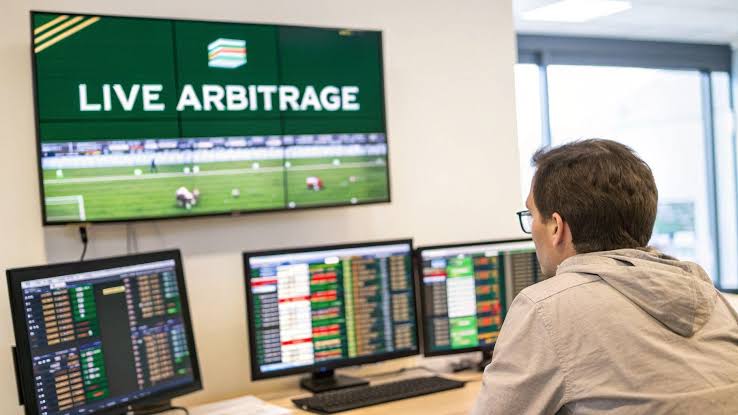
Live betting becomes dangerous when the player reacts to odds after the key event has already happened. A dangerous attack, break point, red card, timeout or injury can move the market before the broadcast makes the reason clear. By the time the player sees the new price, the value may already be gone. Live data should help confirm a bet before the move, not justify it after the coefficient has collapsed. The goal is to read timing, context and price together.
Why live data must be read before the market moves
Live data is useful because it shows pressure earlier than the score. In football, attacks, shots, corners and field tilt can warn that one side is building momentum. In tennis, first-serve percentage, second-serve points and break chances show stress before the set score changes. In basketball, pace, fouls and rotation shifts can move totals before the scoreboard catches up. The player needs to use these signals while the odds still match the analysis.
A live market inside Pinco should be checked against the target price before the bet slip is confirmed. If the player wanted 2.30 on the next goal and the price drops to 1.95 after a dangerous phase, the calculation has changed. The same match idea may still be correct, but the bet can become too expensive. A good live decision depends on the number available now, not on the number that was attractive 30 seconds ago.
What live data should be checked first
The best data depends on the sport, but the logic is the same. The player should look for signals that explain why the next move may happen, not only signals that show what already happened. One shot on target can be noisy, but repeated entries into the box matter more. One double fault can be random, but a falling first-serve rate across several games is a stronger warning. The data must show a pattern, not just a single moment.
Before placing a live bet, the player should run a short check:
- compare the current price with the target price set before the market moved;
- check whether the data shows a pattern over several minutes or points;
- avoid betting immediately after a market suspension unless the new price is still fair;
- look at connected markets, such as total, handicap and next-event lines;
- skip the bet if the reason for the move is already fully priced in.
Why broadcast delay can destroy value
Broadcast delay is one of the main live-betting risks. The data feed can react before the player sees the full event on screen. A football attack, tennis injury sign or basketball foul situation may already be reflected in the odds. If the player bets after seeing the delayed picture, they may be paying for information the market has already used. That is why odds movement must be treated as part of the data, not as a separate detail.
How to avoid buying a late coefficient
A late coefficient is a price that looks connected to a good idea but no longer offers value. For example, a team was pressing hard and the next-goal market at 2.40 made sense. After two corners and a blocked shot, the price drops to 1.90. The pressure may still be real, but the edge is smaller. If the player confirms the bet only because they liked the earlier number, the decision becomes emotional rather than mathematical.
Clear rules help protect the bankroll:
- set the minimum acceptable odds before opening the bet slip;
- cancel the bet if the price drops more than 10-15% from the planned entry;
- do not re-enter immediately after a suspended or rejected live bet;
- reduce stake size in fast markets where prices change every few seconds;
- use no-bet as a normal result when the market has already moved.
The main mistake is treating missed value as something that must be recovered. If the price has moved, the opportunity may no longer exist. A player who keeps buying late numbers slowly turns good reads into weak bets. Live data should create discipline, not urgency. If the information confirms the idea but the coefficient is gone, the correct move is often to wait for the next phase instead of forcing the current one.
Why timing matters as much as analysis
Live data helps only when the player connects it with price and timing. A strong signal after the event is not enough, because the market may have already adjusted. The player should watch patterns, define a target coefficient, compare related markets and avoid late entries after suspensions or sharp drops. This approach does not guarantee a winning live bet, but it prevents paying too much for information that is no longer fresh.