
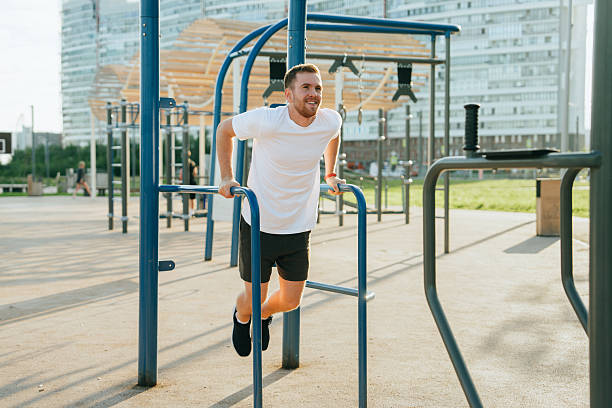
Designing fitness spaces beyond indoor walls requires a different approach to safety, usability, and performance. Gym equipment intended for open environments must support diverse users, varying weather conditions, and unsupervised training scenarios. Outdoor gym equipment plays a crucial role in enabling safe, structured, and accessible workouts while maintaining durability and comfort. Unlike indoor setups, outdoor installations must perform consistently under constant exposure to heat, moisture, and frequent public use. Thoughtful design ensures that users can train confidently without supervision while minimizing the risk of injury or equipment failure. Understanding these essential design principles helps planners and decision-makers create outdoor workout spaces that remain reliable, inclusive, and effective over time.
This blog explores the essential features that make outdoor workout systems reliable, user-friendly, and effective, focusing on practical design elements rather than trends or aesthetics.
Structural Stability and Load-Bearing Integrity
The foundation of safe outdoor workouts begins with structural strength, as equipment must remain stable and reliable under constant public use, varying body weights, and dynamic movement patterns.
- Reinforced frame construction: High-grade steel frameworks provide the foundation for safe outdoor workouts. Reinforced joints and precision welding help distribute weight evenly, reducing stress points during repetitive or high-load movements. This structural integrity ensures equipment remains stable even under continuous public use.
- Anchoring and ground fixation systems: Proper anchoring prevents shifting or tipping during dynamic exercises. Secure base plates or in-ground mounting systems enhance confidence for users performing strength or balance-focused movements without fear of instability.
- Engineered weight tolerance: Clearly defined load capacities support users of different body types and fitness levels. Equipment designed with generous safety margins minimizes risk while encouraging progressive training in open-access environments.
Together, these structural elements ensure that outdoor fitness equipment remains dependable, stable, and safe for consistent use in high-traffic environments.
Surface Materials Designed for Grip and Comfort
Direct contact points play a critical role in user safety, making surface materials essential for maintaining grip, reducing strain, and ensuring comfort during repeated outdoor training sessions.
- Non-slip contact surfaces: Handles, platforms, and footrests benefit from textured or rubberized finishes. These surfaces maintain grip during intense workouts and reduce the likelihood of slips caused by sweat or environmental moisture.
- Skin-friendly coatings: Smooth, anti-abrasive finishes prevent discomfort and skin irritation during repeated contact. This consideration is essential for users performing bodyweight exercises or extended training sessions.
- Thermal resistance properties: Materials that resist excessive heat absorption remain comfortable to the touch even under direct sunlight. This feature supports consistent use throughout the day and reduces the risk of burns or discomfort.
By prioritizing grip, comfort, and temperature control, surface materials significantly enhance user confidence and reduce the risk of accidental slips or discomfort.
Weather Resistance and Long-Term Durability
Outdoor fitness installations are exposed to harsh environmental conditions, requiring materials and finishes that can withstand climate stress while maintaining performance and safety standards over time.
- Anti-corrosion treatments: Protective coatings shield metal components from rust caused by humidity, rain, or air exposure. This extends the lifespan of the equipment and maintains structural safety over time.
- UV-resistant finishes: Sun exposure can degrade materials and fade markings. UV-stable coatings preserve surface quality, ensuring instructional labels and safety indicators remain visible and effective.
- Low-maintenance design philosophy: Durable components reduce the need for frequent repairs or replacements. This reliability supports uninterrupted access to fitness spaces and lowers long-term operational costs.
Weather-resistant design ensures that outdoor gym installations retain their performance, safety, and visual clarity despite prolonged environmental exposure.
Ergonomic Design for Inclusive Use
Effective gym equipment is designed to accommodate a wide range of users by supporting natural movement, proper alignment, and ease of use without the need for supervision.
- Natural movement alignment: Equipment designed around human biomechanics supports correct posture and joint alignment. This reduces strain and supports safer execution of exercises without professional supervision.
- Adjustable or adaptable features: Flexible design elements accommodate users with varying heights, strengths, and mobility levels. Inclusive ergonomics encourages broader participation and reduces misuse-related injuries.
- Clear exercise pathways: Intuitive layouts guide users through movements naturally. When equipment communicates its function visually, users are more likely to train correctly and confidently.
Thoughtful ergonomic design allows users of varying abilities to exercise safely, promoting wider participation and more effective independent training.
Safety Guidance and User Awareness Features
Clear visual guidance and built-in safety cues help users understand correct exercise execution, promoting responsible usage and reducing the likelihood of injury in open-access fitness spaces.
- Integrated instructional panels: Visual guides demonstrate correct usage and movement patterns. These panels support self-guided training and reduce the risk of improper technique.
- Visible safety markings: High-contrast indicators highlight grip zones, movement limits, or caution areas. Clear markings enhance awareness and promote responsible equipment use.
- Design that discourages misuse: Thoughtful engineering limits unsafe movement ranges while still allowing functional training. This balance protects users without restricting exercise variety.
Clear guidance and visible safety cues support correct usage, helping users train responsibly while minimizing the likelihood of avoidable injuries.
Final Thoughts
Safe outdoor workouts depend on more than just placement and appearance. The thoughtful integration of stability, material selection, durability, ergonomics, and user guidance defines the effectiveness of modern fitness installations. When these features work together, outdoor gym equipment becomes a reliable tool for promoting health, confidence, and long-term engagement in open spaces. Well-designed systems support independent training while minimizing risk, making them suitable for public and private environments alike.
For organizations seeking expertly engineered solutions, including outdoor strength training equipment in Dubai, Cypex Group offers valuable insight into durable, user-focused fitness systems. Their approach emphasizes structural reliability, thoughtful design, and long-term performance for outdoor environments. By connecting with Cypex Group, one can confidently create outdoor fitness spaces that prioritize user safety, functional efficiency, and lasting value while meeting the demands of high-usage public and commercial settings.